
Reducing food waste at home is a practical way to save money, conserve resources, and contribute to a healthier planet. Every year, millions of tons of edible food are thrown away, often due to improper storage, over-purchasing, or confusion about expiration dates. Fortunately, there are several easy methods you can adopt to minimize waste and make the most of the food you buy. In this blog post, we’ll explore actionable tips and ideas to help you reduce food waste in your kitchen.
Why Reducing Food Waste Matters
Before diving into the tips, it’s important to understand why food waste is a significant issue. Food production requires water, energy, and labor. Wasting food means wasting these resources. Additionally, food that ends up in landfills produces methane, a potent greenhouse gas. By cutting back on food waste, you can:
– Save money by buying only what you need
– Reduce your environmental footprint
– Help feed people and communities when excess food is shared or donated
– Make smarter choices that benefit your health and lifestyle
Plan Your Meals and Shopping Wisely
One of the most effective ways to reduce food waste is careful planning. This starts with making a weekly meal plan that outlines what you intend to cook. From this plan, create a focused shopping list.
Tips for Better Meal Planning
– Check your pantry, fridge, and freezer before shopping to avoid buying duplicates.
– Plan meals around ingredients you already have to use them up.
– Choose recipes that use similar ingredients to reduce leftover items.
– Stick to your shopping list to avoid impulse buys.
Store Food Properly to Extend Freshness
Proper storage plays a big role in keeping food fresh longer and avoiding spoilage.
Storage Tips for Common Food Items
– Fruits and Vegetables: Keep most fruits and veggies in the fridge, but some like bananas, tomatoes, and potatoes do better at room temperature.
– Bread: Store in a cool, dry place or freeze to extend its life.
– Dairy: Store in the coldest part of the fridge, not the door.
– Leftovers: Use airtight containers and consume within 3-4 days.
Investing in clear, stackable containers can help you see what you have and keep your fridge organized.
Understand Expiration Dates
Many people throw away food based on the date on the packaging, but not all dates mean the same thing.
– “Best Before” refers to quality, not safety. Food might still be safe to eat after this date.
– “Use By” indicates safety and should be followed strictly.
– When in doubt, trust your senses: smell, look, and taste can help determine if food is still good.
Get Creative with Leftovers
Leftovers don’t have to be boring or end up in the trash.
Ideas for Using Leftovers
– Transform leftover vegetables into soups or stews.
– Use stale bread for croutons or bread pudding.
– Combine small amounts of leftover ingredients into a stir-fry or frittata.
– Freeze leftovers for future meals.
Setting aside a specific day in the week to use leftovers can prevent them from piling up.
Compost What You Can’t Eat
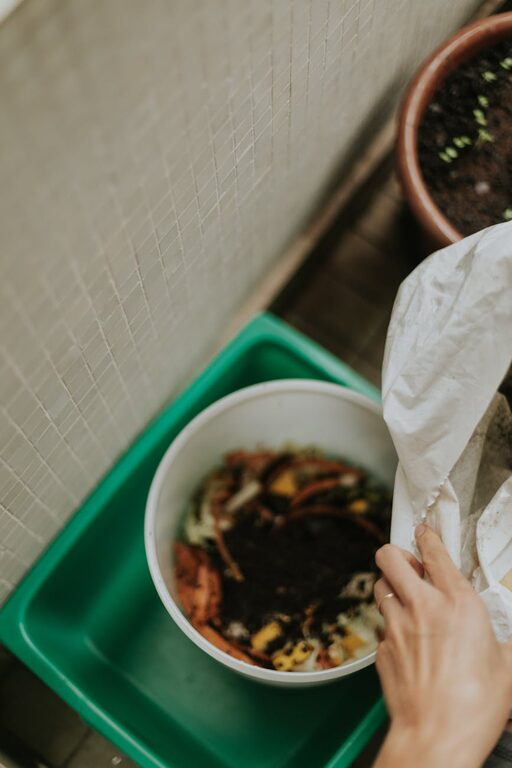
Despite best efforts, some food scraps are unavoidable. Composting is an environmentally friendly way to handle organic waste.
How to Start a Simple Compost at Home
– Use a bin or outdoor compost pile.
– Add fruit and vegetable peels, coffee grounds, eggshells, and yard waste.
– Avoid meat, dairy, and oily foods, which can attract pests.
– Turn the compost regularly to help it break down faster.
Compost improves soil health and reduces landfill waste.
Buy Only What You Need in Smaller Quantities
Buying in bulk can be economical but sometimes leads to waste if you can’t use all the food in time. Consider purchasing perishable items in smaller amounts or from stores that offer flexible quantities.
Donate Surplus Food
If you have food that is still good but you won’t be able to consume it, consider donating to local food banks, shelters, or neighbors. Many communities have programs for food recovery that help those in need.
Use Technology to Help
Several apps and online tools assist with meal planning, tracking expiration dates, and finding recipes based on what you have. These digital helpers can make staying organized easier and reduce waste.
—
Reducing food waste at home is a gradual process but well worth the effort. By planning carefully, storing food properly, being creative with leftovers, and composting scraps, you can make a positive impact on your wallet and the environment. Start with one or two changes and build from there—you’ll enjoy fresher meals and less waste in no time!